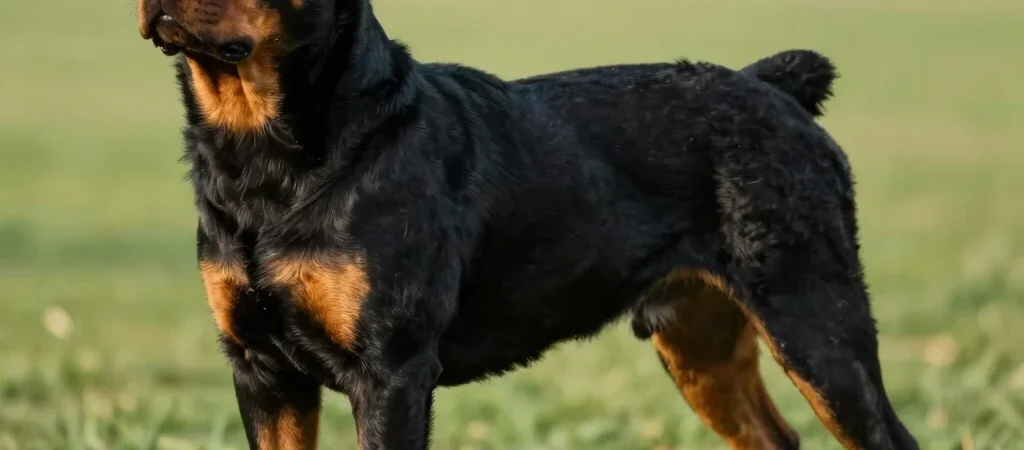
The Rottweiler standard defines a powerful, well-proportioned dog capable of draft work, herding, and steadfast companionship. True breed quality is found in the harmonious balance of correct angulation, bone density, top-line strength, and expressive head type that honors the breed's historic utility.
Anatomy and Musculoskeletal Balance
Structural excellence is not merely aesthetic; it directly dictates how a dog moves and carries weight across a lifetime. Proper layback of the shoulder, deep chest depth, and firm back muscles allow for smooth, effortless reach and drive in gait. A soundly built Rottweiler moves with efficiency and strength without displaying signs of awkwardness or physical strain.
Reading Beyond Titles in a Pedigree
A pedigree serves as a genetic roadmap spanning generations of breeding decisions. Examining a multi-generation pedigree reveals consistent traits, structural longevity, and verified working or championship accomplishments across ancestry lines. A balanced pedigree combines proven working aptitude with structural refinement to preserve authentic breed type.
Preserving Temperament Alongside Physical Quality
Physical correctness must always be accompanied by a clear, discerning mind and natural self-assurance. A dog with ideal structure and a steady temperament adapts effortlessly to family life, advanced training, and active outdoor pursuits. Responsible breeding keeps both physical health and psychological stability at the forefront of every planned pairing.